

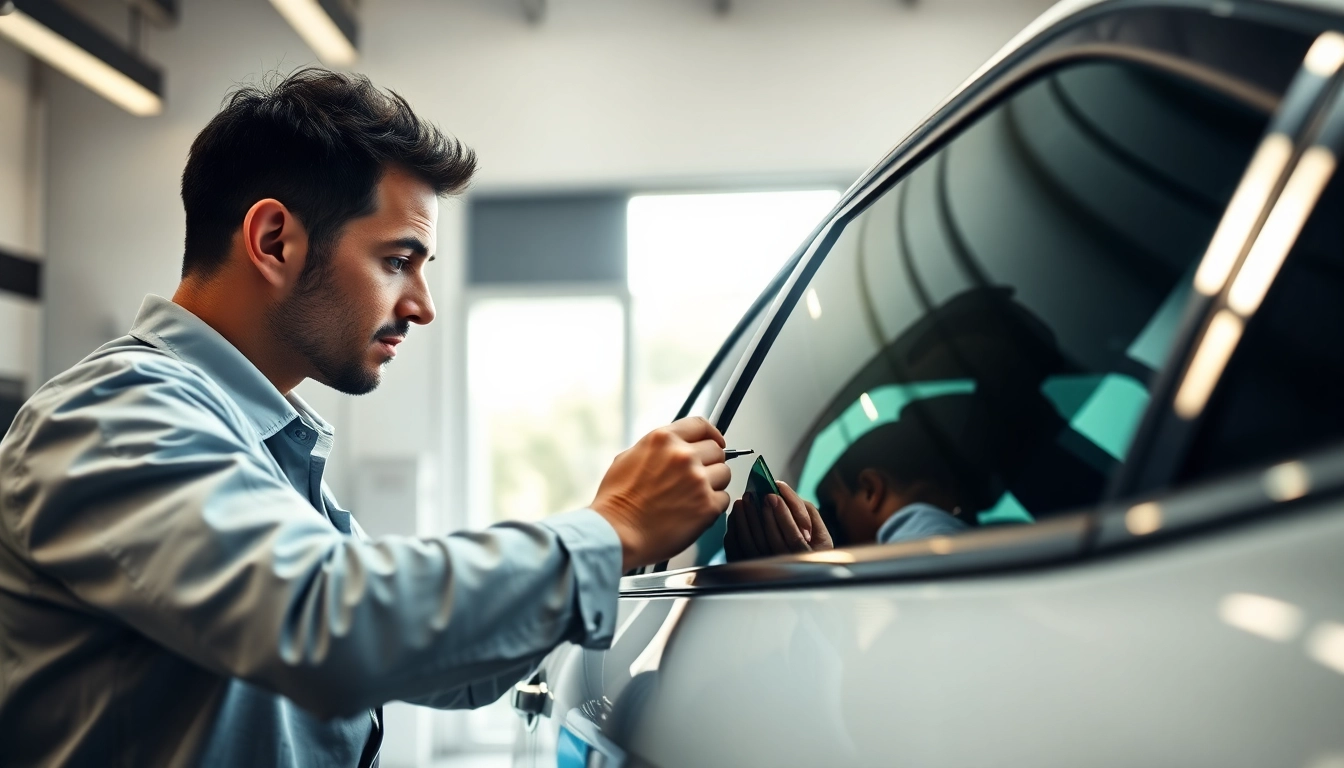
Understanding Auto Window Tint
What is Auto Window Tint?
Auto window tint refers to a thin film applied to the glass surfaces of vehicles to alter their visibility, solar heat absorption, and UV radiation protection. This film comes in various shades and materials, catering to different preferences and needs. The primary purpose of window tinting is to enhance privacy, improve aesthetics, and provide sun protection, making driving a more comfortable experience.
Benefits of Using Auto Window Tint
Getting auto window tint near me is no mere aesthetic upgrade—it’s a smart investment that comes with several benefits:
- Heat Reduction: Tinted windows can significantly reduce the interior temperature of your vehicle by blocking harmful infrared rays, which leads to lower air conditioning costs and a more comfortable ride.
- UV Protection: High-quality tints block up to 99% of harmful UV rays, protecting passengers and preventing the vehicle’s interior from fading.
- Increased Privacy: Window tints enhance your privacy by obscuring the interior of your vehicle from onlookers, making it harder for thieves to identify valuable possessions.
- Improved Aesthetics: Tinted windows provide a sleek, sophisticated look that can elevate the overall visual appeal of your car.
- Enhanced Safety: In case of collisions, window tinting can hold shattered glass in place, reducing the risk of injury from flying shards.
Different Types of Window Tints
When it comes to window tints, various types are available, each with unique attributes. Understanding these can help you select the best option for your vehicle:
- Dyed Window Tint: This is the most common type, providing privacy and heat reduction but less UV protection. It’s made by placing a dye between the adhesive layer and the polyester layer.
- Metalized Window Tint: This film contains metal particles that reflect heat and UV rays, offering enhanced durability. However, it may interfere with electronic signals.
- Ceramic Window Tint: Renowned for its high performance, this type blocks heat and UV rays without interfering with GPS or cellular signals. It’s an excellent long-term investment.
- Hybrid Window Tint: Combining dyed and metalized films, this hybrid option presents a balance of heat and UV protection while maintaining aesthetic appeal.
- Crystalline Window Tint: A premium choice, this tint offers high visibility while blocking harmful UV rays and heat without a dark appearance.
Choosing the Right Auto Window Tint Near Me
Factors to Consider Before Choosing Tint
Selecting the right auto window tint requires careful consideration of various factors to ensure it meets your specific needs:
- Legal Regulations: Each state has laws regarding window tint levels. Research these regulations to ensure compliance and avoid fines.
- Climate Zones: Consider the climate in your area. If you live in a hotter region, a tint with excellent UV and heat rejection qualities is essential.
- Type of Vehicle: Different cars have unique glass shapes and sizes, affecting the type of tint you can apply and its effectiveness.
- Personal Preference: Your aesthetic choices should align with the tint you select to create a vehicle visual that fits your style.
- Lifetime Warranty: Look for products that come with a warranty to guarantee quality and durability, making your investment secure.
How to Find Reliable Services Near You
To find trustworthy auto window tinting services near you, consider the following steps:
- Research Online: Utilize online platforms and local directories to find established services in your area. Reviews can provide insight into customer satisfaction.
- Seek Recommendations: Ask friends, family, or colleagues for their experiences with local tinting services, as personal recommendations tend to be reliable.
- Check Credentials: Verify that the company is licensed, certified, and employs trained professionals to ensure high-quality work.
- Request Quotes: Don’t hesitate to request estimates from multiple service providers to compare prices and services offered.
- Review Portfolio: Review previous work examples on the company’s website or social media platforms to assess their craftsmanship and expertise.
Cost Considerations for Window Tinting
The overall cost of auto window tinting can vary significantly based on several factors:
- Type of Tint: The grade of tint chosen plays a crucial role in determining the cost. Higher-quality films usually come with a higher price tag.
- Vehicle Size: Larger vehicles require more material and labor, impacting the overall expense considerably.
- Complexity of Installation: Some vehicles have complex window shapes that necessitate more labor-intensive installation processes, which can increase costs.
- Local Labor Rates: The average rates for labor in your location can influence service prices, with urban areas often being pricier.
- Additional Features: Additional services, such as UV coating or ceramic enhancements, can lead to higher costs.
The Auto Window Tinting Process
Step-by-Step Installation Guide
The window tinting process involves several meticulously executed steps to ensure optimal results:
- Preparation: The vehicle is thoroughly cleaned to remove dirt, dust, and grease from the window surfaces, ensuring proper adhesion of the tint.
- Tracing and Cutting: The technician precisely measures and cuts the tint film according to the size of each window, considering curves and slopes for a perfect fit.
- Application: The technician applies the film to the windows using a solution that allows for repositioning during installation, followed by smoothing out bubbles for a seamless finish.
- Trimming Edges: Excess film is trimmed around the edges of the window meticulously to create a clean appearance.
- Drying Process: The windows are typically allowed to dry for a specific period to ensure proper adhesion, during which it’s advised to avoid rolling down windows.
Frequently Asked Questions about the Process
Here are key questions often raised concerning the auto window tinting process:
How long does the tinting process take?
The process typically takes 2 to 4 hours, depending on vehicle size and complexity.
Can I wash my car after tinting?
It’s advisable to wait at least 48 hours before washing to let the tint cure properly.
Will window tinting void my warranty?
No, reputable services ensure tinting adheres to manufacturer standards, preserving warranty status.
Can I remove the tint myself?
While possible, it’s recommended to have professionals remove tint to avoid damaging the glass.
What is the lifespan of window tint?
Quality window tints can last 5 to 10 years, depending on maintenance and exposure to the elements.
Post-Installation Care Tips
To maintain the longevity and appearance of your new window tint, follow these care tips:
- Avoid Rolling Down Windows: Wait at least 48 hours post-installation before rolling down windows to allow full bonding of tint.
- Clean with Caution: Use a soft microfiber cloth and gentle cleaner to gently clean tinted windows without scraping.
- Protect from Sunlight: Whenever possible, park in the shade or use sunshades to protect your tinted windows from prolonged UV exposure.
- Monitor for Damage: Regularly check for bubbles or scratches, addressing any damages promptly to ensure they don’t worsen over time.
- Avoid High Pressure and Abrasives: Never use abrasive cleaning tools or high-pressure water jets as these can damage the film.
Common Myths about Auto Window Tint
Debunking Tinting Misconceptions
While many facts support window tinting, several myths often mislead potential customers:
- Myth 1: Tints are Illegal Everywhere: This is incorrect. Laws regarding tint levels vary by state.
- Myth 2: Tints Indicator of Changed Stereo: While some tints reflect differently, many maintain visibility without compromising stereo signals.
- Myth 3: Darker Tints Offer Better Protection: It’s not always true, as heat rejection power varies by the film composition, not just darkness.
- Myth 4: You Can’t See At Night: Quality tints are designed to maintain visibility both during the day and at night.
- Myth 5: DIY Tinting is Just as Good: Professional installation ensures quality results and longevity that DIY methods often fail to achieve.
Things You Should Know Before Tinting
Understanding the window tinting landscape can prevent potential issues:
- Choose the Right Installer: Quality installation is vital to ensure durability and visual appeal; thus, it’s imperative to select a skilled professional.
- Check Local Laws: Familiarize yourself with local tinting regulations to avoid citations and adjust your choice accordingly.
- Quality of Materials: Opt for high-quality films from reputable manufacturers to ensure maximum performance and longevity.
- Understand Personal Preferences: Your choice should align with your comfort, style, and specific needs in heat or UV rejection.
- Prepare for Change: The color and opacity will affect your driving experience—be ready for a different visibility scenario.
Regulations on Window Tinting
Regulations regarding window tinting exist to enhance safety and ensure visibility:
- VLT Limits: Each state sets a maximum limit for Visible Light Transmission (VLT), indicating the percentage of light allowed through.
- Windshield Restrictions: Many places restrict how much tint can be applied to the front windshield, usually allowing only a strip across the top.
- Color Limitations: Some states disallow certain colors, like red or blue, for tint films due to visibility concerns.
- Medical Exemptions: Individuals with specific medical conditions may qualify for darker tints but often require documentation and permits.
- Enforcement: Authorities may use reflective tests and visual inspections to ensure compliance, checking for illegal modifications.
Maximizing Benefits of Auto Window Tint
Maintaining Your Tint for Longevity
To maximize the benefits of your window tint, regular maintenance is key:
- Regular Cleaning: Use soft cloths and non-abrasive cleaners to regularly wipe down tinted windows, maintaining clear visibility and aesthetics.
- Inspect for Damage: Periodically examine the tint for bubbles or imperfections, addressing them promptly to prevent further issues.
- Avoid Strong Chemicals: Stay away from ammonia-based cleaners which can degrade the tint over time.
- Position Your Vehicle Wisely: Parking in shaded areas when possible helps protect the tint from harsh sunlight and prolongs its lifespan.
- Follow Manufacturer Guidance: Adhering to recommendations regarding care and cleaning from your tint’s manufacturer ensures longevity.
Enhancing Comfort and Privacy
Auto window tinting is not only about aesthetic appeal but also the comfort and privacy it provides:
- Reduced Glare: Tints significantly diminish glare from the sun or oncoming headlights, contributing to a safer driving experience.
- Interior Protection: Tints help to shield the dashboard and upholstery from sun damage, preserving the vehicle’s resale value.
- Maintain Optimal Temperatures: By blocking heat, tinted windows help in regulating interior temperatures, leading to fuel economy in hybrid and electric vehicles.
- Enhanced Security: Limiting visibility into the vehicle provides a sense of security, especially in urban settings.
- Noise Reduction: Tinted windows can also aid in reducing external noise, resulting in a more serene driving atmosphere.
Performance Metrics to Track
To ensure you are getting the most out of your window tint, tracking performance metrics can aid in evaluations:
- Temperature Changes: Monitor the interior temperature differences before and after installation, collecting data for evaluation.
- UV Protection Efficiency: Consider conducting tests to measure the UV radiation entering the vehicle.
- Fuel Economy Metrics: Track fuel consumption before and after tinting, noting any changes in air conditioning usage.
- Customer Satisfaction: Feedback from occupants can provide insights into comfort levels and perceived safety post-installation.
- Durability Assessment: Regularly check the condition of the tint, tracking any wear-and-tear over time for maintenance planning.
